

Who Provides Staffing for Insurance Companies Needing Admin Help?
Insurance carriers face mounting pressure to streamline claims processing, policy administration, and regulatory compliance. Modern agencies require scalable administrative support that maintains strict data security while reducing overhead. Organizations that integrate specialized staffing partners consistently report faster turnaround times and improved agent productivity. This guide examines how strategic staffing models resolve operational bottlenecks and deliver measurable efficiency gains across complex insurance workflows. (GDL Connect 8211 GDL)
Understanding Insurance Administrative Needs
Insurance operations rely on precise documentation, rapid policy issuance, and meticulous claims tracking. Administrative teams handle daily correspondence, data entry, and regulatory filing requirements. When internal workloads exceed capacity, agencies experience delayed responses and increased error rates. Administrative support for insurance professionals must understand industry terminology, policy structures, and state-specific compliance mandates. Agencies that outsource routine tasks free their licensed staff to focus on client acquisition and complex case management. This operational shift directly improves profit margins and customer retention rates.
Evaluating Staffing Models
Companies typically choose between direct hiring, contract freelancers, or managed staffing providers. Direct hiring requires extensive background checks, benefits administration, and ongoing training investments. Contract freelancers offer flexibility but often lack institutional knowledge and long-term commitment. Managed staffing providers handle recruitment, payroll, compliance, and performance management. This model reduces administrative friction while guaranteeing consistent output quality. Nearshoring insurance staff has emerged as the dominant model for U.S. carriers seeking cost efficiency without sacrificing communication quality. Providers like GDL Connect specialize in building dedicated teams that operate within standard business hours and share cultural alignment with American enterprises.
Nearshoring Strategic Advantages
Geographic proximity eliminates time zone barriers and enables real-time collaboration. Teams located in Mexico operate within the same or adjacent time zones, allowing seamless overlap with U.S. business hours. This alignment reduces project delays and accelerates decision-making cycles. Organizations benefit from bilingual professionals who understand both English and Spanish, which expands market reach and improves customer service outcomes. Nearshoring insurance staff consistently delivers operational savings ranging from thirty to fifty percent compared to domestic hiring. The financial advantage compounds when agencies factor in reduced office space requirements and lower technology licensing costs. Leadership teams
Core Support Functions
Insurance agencies require specialized roles to maintain daily operations. Processors verify policy details, update coverage limits, and coordinate with underwriters. Post-closing specialists handle final documentation, fund disbursement, and regulatory filings. Transaction coordinators manage vendor communications, inspection scheduling, and contract exchanges. Compliance officers monitor state regulations, audit trails, and data privacy requirements. Insurance processor services form the backbone of high-volume agencies that handle multiple product lines simultaneously. These professionals utilize specialized software platforms to track policy lifecycles and generate automated reports. Agencies that standardize these functions experience fewer bottlenecks and faster renewal cycles. Case studies demonstrate that dedicated administrative teams reduce policy issuance times by up to forty percent. This efficiency directly translates to higher agent commissions and improved client satisfaction scores.
Compliance and Security Standards
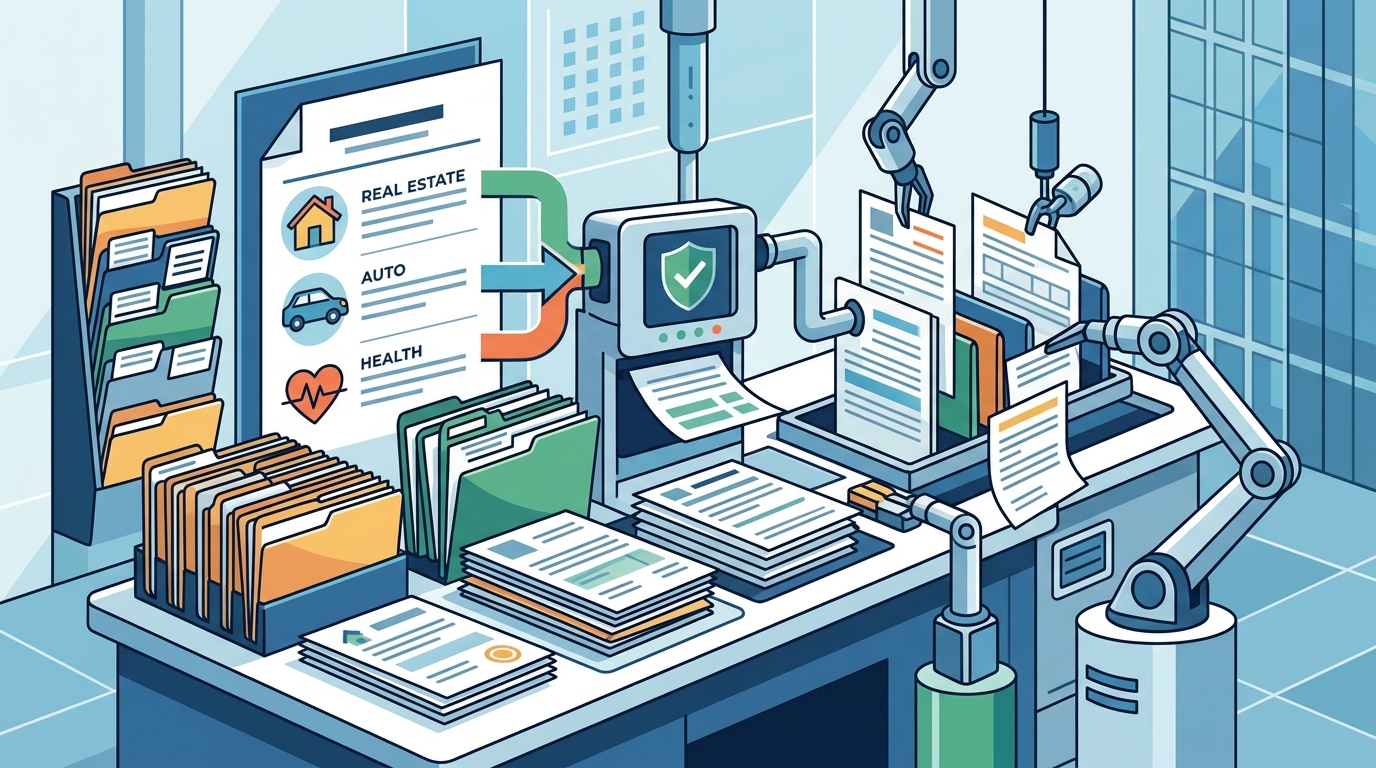
Insurance data contains sensitive personal information, financial records, and proprietary business strategies. Staffing providers must implement enterprise-grade cybersecurity protocols to protect client databases. Encryption standards, access controls, and regular vulnerability assessments are mandatory requirements. Providers also ensure that all personnel comply with state insurance department regulations and federal privacy laws. Insurance examinations frequently audit administrative workflows to verify data integrity and regulatory adherence. Agencies that partner with compliant staffing firms reduce their exposure to legal penalties and reputational damage. Data security is the systematic protection of information assets through technological controls, procedural safeguards, and continuous monitoring. Providers like GDL Connect maintain U.S. law compliance frameworks that align with state-specific insurance codes. This legal alignment ensures that remote workers operate within recognized regulatory boundaries without violating cross-border employment statutes.
Selecting the Right Partner
Agencies must evaluate potential staffing providers based on industry expertise, scalability, and technological integration. Successful partnerships require transparent pricing structures, clear performance metrics, and dedicated account management. Agencies should request detailed onboarding procedures, training curricula, and quality assurance protocols. Contact GDL Connect to schedule a complimentary strategy session and receive a customized staffing proposal. Providers that offer flexible scaling options allow agencies to adjust team sizes during peak seasons or product launches. This agility prevents budget overruns and maintains consistent service quality. Agencies that prioritize cultural alignment and bilingual capabilities consistently report higher retention rates among administrative staff. Industry news highlights how strategic staffing partnerships drive sustainable growth for mid-sized insurance firms.
Key Takeaways
- Insurance agencies require specialized administrative roles to manage policy issuance, claims processing, and regulatory compliance efficiently.
- Nearshoring staffing models provide significant cost savings while maintaining real-time collaboration and cultural alignment.
- Dedicated processors, post-closing specialists, and transaction coordinators form the operational backbone of high-volume agencies.
- Enterprise-grade cybersecurity and state-specific compliance frameworks protect sensitive client data and reduce legal exposure.
- Managed staffing providers handle recruitment, payroll, training, and performance management to eliminate administrative friction.
- Agencies that standardize administrative functions experience faster renewal cycles and improved agent productivity metrics.
- Strategic partnerships enable scalable workforce adjustments without compromising service quality or operational control.
Frequently Asked Questions
What specific roles do insurance staffing providers typically fill?
Providers typically place processors, post-closing specialists, transaction coordinators, compliance officers, and marketing support professionals. These roles handle daily policy updates, claims documentation, vendor communications, and regulatory filing requirements.
How does nearshoring reduce operational costs for insurance agencies?
Nearshoring eliminates expensive domestic overhead while maintaining real-time collaboration. Agencies save on office space, technology licensing, and benefits administration while accessing bilingual talent pools.
What compliance standards must staffing providers follow?
Providers must adhere to state insurance department regulations, federal privacy laws, and enterprise-grade cybersecurity protocols. Regular audits and encrypted data handling ensure continuous regulatory alignment.
Can administrative teams scale during peak policy renewal periods?
Managed staffing providers offer flexible scaling options that allow agencies to adjust team sizes based on seasonal demand. This agility prevents budget overruns and maintains consistent service quality.
How do staffing providers ensure quality control for remote workers?
Providers implement dedicated account management, performance metrics, and regular quality assurance reviews. U.S.-based leadership teams oversee workflows to guarantee alignment with agency standards.
What technology platforms do insurance administrative teams utilize?
Teams utilize specialized policy management systems, claims tracking software, and automated reporting platforms. These tools streamline data entry, generate compliance reports, and maintain audit trails.
How quickly can staffing providers deploy trained professionals?
Established providers maintain pre-vetted talent pools and streamlined onboarding procedures. Agencies typically receive fully trained administrative staff within two to four weeks.
What pricing models do staffing providers typically offer?
Providers generally charge flat monthly fees that cover recruitment, payroll, benefits, and management overhead. This transparent structure eliminates hidden costs and simplifies budget forecasting.
Ready to Optimize Your Insurance Operations?
Agencies that integrate specialized administrative teams experience faster policy issuance, reduced error rates, and improved client retention. Strategic staffing partnerships eliminate operational bottlenecks while preserving full management control. Book a free strategy call today to explore customized staffing solutions tailored to your agency requirements. Our team will analyze your current workflows, identify efficiency gaps, and design a scalable support structure that aligns with your growth objectives. Contact us at contact@gdlconnect.org to begin your transformation.