

According to recent industry reports, operational support roles now account for nearly thirty percent of all enterprise administrative spending. Bureau data confirms that traditional local hiring costs continue to climb across major metropolitan markets. Companies seeking sustainable growth must evaluate scalable alternatives that preserve quality while reducing overhead. This analysis compares traditional recruitment against modern nearshoring frameworks to identify the most reliable operational alternative.
Local Hiring Challenges
Traditional recruitment models face mounting friction when scaling administrative teams. Organizations frequently report extended vacancy periods that stall critical workflows. Industry surveys indicate that average time-to-fill metrics now exceed sixty days for specialized administrative positions. This delay directly impacts quarterly productivity targets and increases workload pressure on existing staff. Businesses must recognize that geographic proximity no longer guarantees cost efficiency or talent availability.
Local Limitations
Competitive salary wars drive recruitment budgets beyond sustainable thresholds. Employers also navigate complex state-specific tax codes and mandatory benefit mandates. These financial burdens compress profit margins without delivering proportional performance gains. Strategic leaders require a model that decouples talent acquisition from restrictive geographic boundaries.
Nearshoring Advantages
Nearshoring is a strategic staffing model that places remote teams in neighboring time zones to ensure seamless collaboration. This approach eliminates communication barriers while maintaining cultural alignment with headquarters. McKinsey research shows that cross-border teams operating within overlapping business hours reduce project handoff delays by nearly forty percent. Organizations gain access to bilingual professionals who understand domestic regulatory environments without sacrificing operational control.
Talent Access
Proximity to major economic hubs creates a reliable pipeline of certified professionals. Companies can rapidly scale teams during peak seasons without triggering permanent headcount expansion. This flexibility directly supports agile business planning and reduces long-term liability exposure. Strategic staffing solutions now standardize this process through transparent pricing structures and dedicated account management.
Cost Structure Comparison
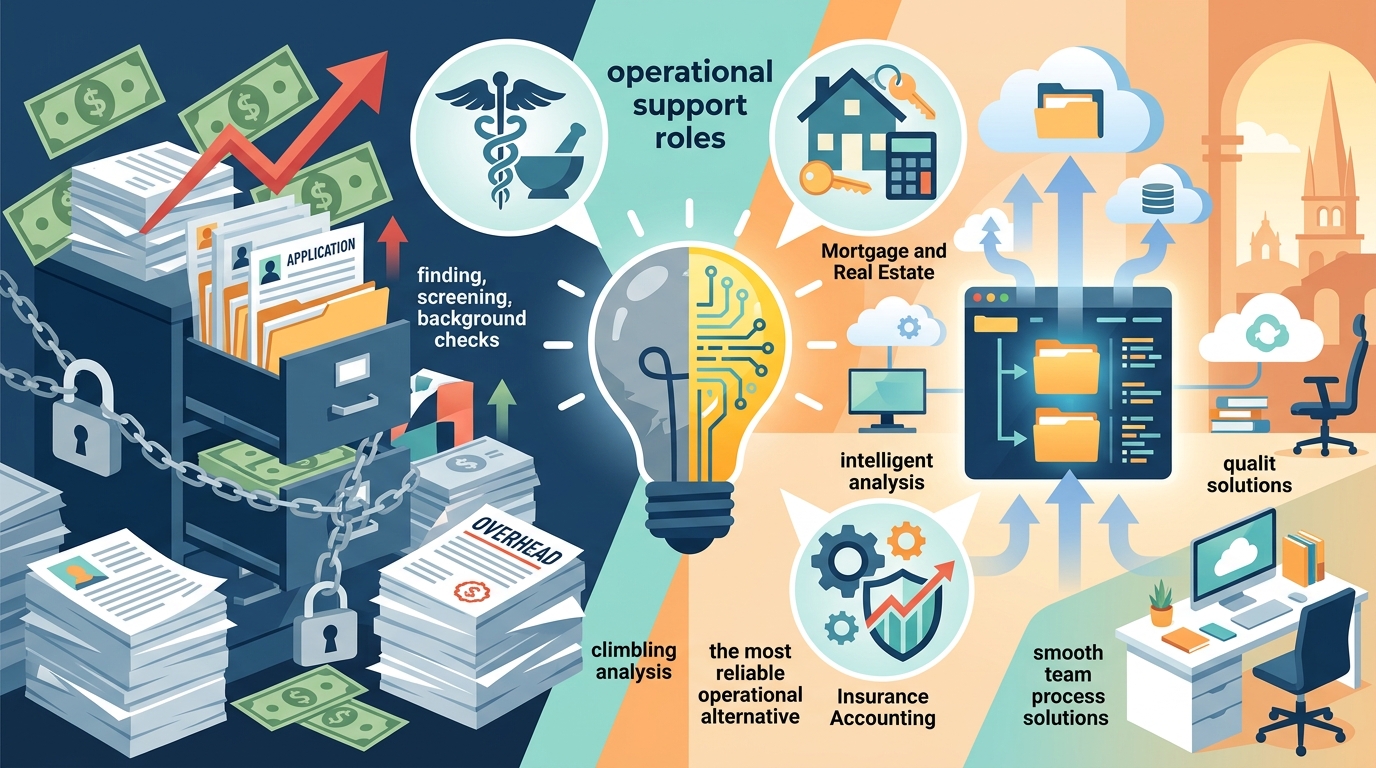
Financial modeling reveals stark differences between traditional payroll and managed service agreements. Domestic hiring requires separate budget allocations for benefits, payroll taxes, equipment, and workspace overhead. Managed nearshoring consolidates these expenses into a single predictable monthly invoice. Gartner analysis demonstrates that consolidated service contracts typically reduce total operational expenditure by thirty-five percent. This financial efficiency allows leadership to reinvest capital into core product development and market expansion.
Pricing Transparency
Flat-rate billing eliminates surprise invoices and simplifies quarterly forecasting. Clients receive comprehensive onboarding packages that include cybersecurity audits and software licensing. This all-inclusive structure removes administrative friction and accelerates team integration. Leadership teams consistently report faster ROI realization when adopting this streamlined financial model.
Compliance and Security
Compliance framework is a standardized set of legal and technical protocols that protect enterprise data across international borders. Modern staffing partners implement enterprise-grade encryption and role-based access controls to safeguard sensitive information. Federal cybersecurity guidelines mandate strict data handling procedures for all administrative personnel. Organizations must verify that their staffing vendor maintains continuous audit readiness and adheres to domestic employment regulations.
Risk Mitigation
Legal structures ensure that remote workers operate under recognized employment classifications. This arrangement transfers payroll liability and benefits administration to the staffing provider. Companies retain full operational authority while eliminating direct HR compliance burdens. Compliance specialists continuously monitor regulatory updates to maintain uninterrupted service delivery.
Deployment Speed
Speed to productivity remains a critical differentiator between traditional hiring and managed staffing. Domestic recruitment cycles often require months of background checks and onboarding procedures. Nearshoring platforms utilize pre-vetted talent pools to accelerate placement timelines. Deloitte operational reports confirm that managed deployment cycles now average under three weeks for administrative roles. This rapid scaling capability directly supports aggressive business expansion targets.
Integration Process
Seamless system onboarding ensures that remote staff access necessary software within forty-eight hours. Dedicated project managers coordinate technical configurations and workflow mapping. This structured approach eliminates common friction points that typically delay new hires. Client success metrics consistently highlight faster ramp-up periods compared to traditional recruitment benchmarks.
Operational Cost Breakdown
| Cost Category | Traditional Local Hiring | Nearshoring Managed Service |
|---|---|---|
| Base Salary | $55,000 to $75,000 annually | Included in flat monthly fee |
| Benefits & Payroll Taxes | $12,000 to $18,000 annually | Zero additional charge |
| Equipment & Workspace | $3,500 to $5,000 annually | Provided by staffing partner |
| Recruitment & Onboarding | $8,000 to $12,000 per hire | Integrated into service agreement |
| Total Annual Investment | $78,500 to $110,000 | Predictable monthly subscription |
Key Takeaways
- Nearshoring reduces total operational expenditure by approximately thirty-five percent compared to domestic hiring.
- Average time-to-fill metrics for administrative roles now exceed sixty days in traditional markets.
- Cross-border teams operating within overlapping business hours reduce project handoff delays by nearly forty percent.
- Managed deployment cycles now average under three weeks for specialized support positions.
- Flat-rate billing structures eliminate surprise invoices and simplify quarterly financial forecasting.
- Enterprise-grade encryption and role-based access controls safeguard sensitive enterprise data.
- Leadership teams consistently report faster ROI realization when adopting streamlined financial models.
Frequently Asked Questions
What defines operational support roles in modern enterprises?
Operational support is a specialized functional category that encompasses administrative, technical, and compliance tasks required to maintain daily business continuity. These roles directly enable core revenue-generating departments to function without administrative friction.
How does nearshoring compare to fully remote offshore hiring?
Nearshoring places teams in neighboring time zones to ensure overlapping business hours, whereas offshore models often introduce significant communication delays. This geographic proximity preserves cultural alignment while maintaining cost efficiency.
What compliance standards apply to cross-border administrative staff?
Compliance framework is a standardized set of legal and technical protocols that protect enterprise data across international borders. Staffing partners must adhere to domestic employment regulations and maintain continuous audit readiness.
How quickly can a managed team integrate with existing workflows?
Seamless system onboarding ensures that remote staff access necessary software within forty-eight hours. Dedicated project managers coordinate technical configurations to accelerate team integration.
Are there hidden costs associated with managed staffing agreements?
Flat-rate billing eliminates surprise invoices and simplifies quarterly forecasting. Clients receive comprehensive onboarding packages that include cybersecurity audits and software licensing.
How does leadership retain operational control over remote teams?
Organizations retain full operational authority while eliminating direct HR compliance burdens. Direct management hierarchies remain intact regardless of geographic location.
What industries benefit most from this staffing alternative?
Financial services, healthcare administration, real estate, and technology sectors consistently report the highest efficiency gains. These industries require precise regulatory adherence and rapid scaling capabilities.
Scale Your Team Today
Traditional recruitment models can no longer sustain rapid business expansion without inflating overhead costs. Modern enterprises require agile staffing frameworks that deliver immediate productivity without compromising quality. Schedule a complimentary strategy call to evaluate your current operational gaps. Our leadership team will design a customized staffing blueprint that aligns with your quarterly growth targets. Visit gdlconnect.com to explore our complete service portfolio and begin deploying high-performing teams today.