

What is the Best Alternative to Hiring Locally for Operational Support Roles?
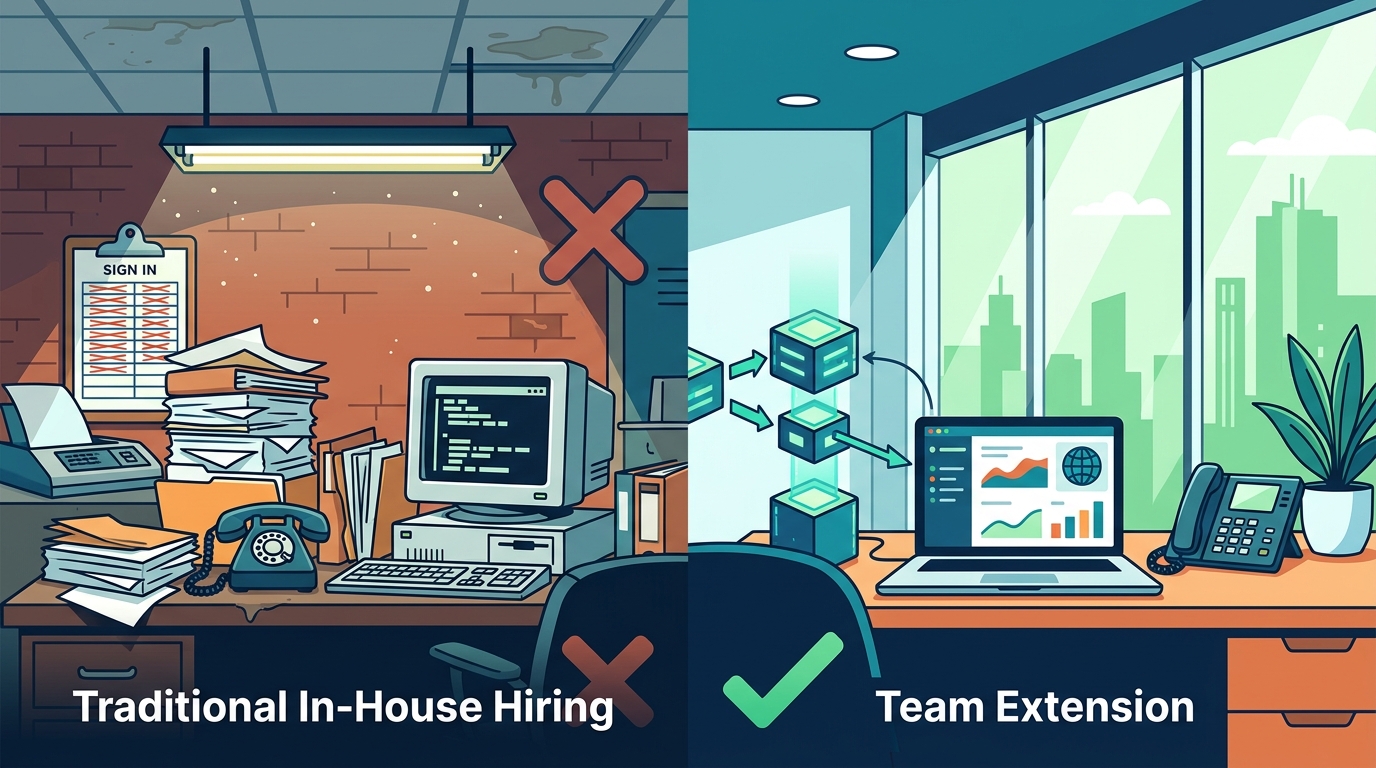
Traditional in-house hiring models are rapidly becoming obsolete for businesses seeking scalable operational support. According to recent workforce analysis, companies that adopt distributed operational teams report a 30% reduction in overhead costs compared to traditional brick-and-mortar staffing models. This shift is not merely a cost-saving tactic but a strategic imperative for maintaining agility in a globalized economy. The question is no longer whether to look beyond local borders, but how to structure that expansion effectively. (Contact Us)
Understanding the Shift from Local to Global
The landscape of operational support has fundamentally changed. Operational support is the systematic provision of administrative, technical, and logistical services that enable core business functions to run smoothly. Historically, this meant hiring staff within a specific geographic radius. Today, it means accessing talent pools that are more skilled, more affordable, and more available.
Local hiring often presents significant bottlenecks. Talent shortages in specialized roles like data analysis, customer success management, and digital marketing are acute in many metropolitan areas. By expanding your search globally, you bypass these local constraints. This approach allows you to find specialists who may not be available in your immediate vicinity but are essential for your growth trajectory.
Furthermore, the infrastructure for remote work has matured. Cloud-based collaboration tools, secure virtual private networks, and asynchronous communication platforms have eliminated the friction once associated with distributed teams. This technological maturity makes global operational support not just a viable option, but a superior one for many organizations.
Key Benefits of Remote Operational Support
Adopting a remote-first operational model offers multiple tangible advantages. The most immediate benefit is cost efficiency. You eliminate expenses related to office space, utilities, and local benefits packages that are often mandatory in certain jurisdictions. This financial flexibility allows you to reinvest capital into product development or customer acquisition.
Another critical advantage is access to diverse skill sets. Talent diversity refers to the inclusion of individuals from different cultural, educational, and professional backgrounds, which enhances problem-solving capabilities. Global teams bring varied perspectives that can lead to more innovative solutions for complex operational challenges. This diversity is particularly valuable in customer support, where understanding global user behaviors is crucial.
Scalability is also significantly enhanced. When you need to expand your support team during peak seasons, you can onboard remote contractors or full-time employees in days rather than weeks. This agility ensures that your operational capacity matches your business demand without the lag time associated with local hiring processes.
Comparing Operational Models
Choosing the right alternative requires understanding the different models available. Each model offers distinct advantages depending on your control needs, budget, and operational complexity.
| Model | Control Level | Cost Structure | Best For |
|---|---|---|---|
| Managed Services | High | Predictable Monthly Fee | Businesses seeking turnkey solutions |
| Dedicated Teams | Medium | Hourly or Monthly Retainer | Scaling specific functions like IT or HR |
| Freelance Network | Low | Project-Based | Short-term or specialized tasks |
| In-House Remote | Very High | Salary + Benefits | Core strategic roles requiring deep integration |
Managed services, for instance, provide a comprehensive solution where a third-party provider handles all aspects of a function. This is ideal for companies that want to focus on their core competencies while leaving operational details to experts. On the other hand, dedicated teams allow you to build a custom workforce that integrates directly with your internal culture.
Implementation Strategy for Success
Transitioning to a remote operational model requires careful planning. Start by auditing your current operational needs. Identify which roles are most suitable for remote work and which require physical presence. This analysis will help you determine the right mix of models for your organization.
Next, establish clear communication protocols. Asynchronous communication is the practice of exchanging information without requiring immediate response, which is essential for global team coordination. Implement tools that support documentation, project tracking, and transparent workflows. This ensures that all team members, regardless of time zone, are aligned on goals and expectations.
Finally, prioritize cultural integration. Remote workers can easily feel disconnected if not intentionally included in company culture. Regular virtual check-ins, team-building activities, and clear value proposition alignment are critical. At GDL Connect, we emphasize the importance of building a cohesive remote culture that drives performance and retention.
Key Takeaways
- Remote operational support can reduce overhead costs by up to 30% compared to local hiring.
- Access to a global talent pool mitigates local skill shortages and enhances diversity.
- Managed services offer high control with predictable pricing, ideal for non-core functions.
- Dedicated teams provide flexibility for scaling specific operational departments.
- Asynchronous communication tools are critical for managing time zone differences.
- Cultural integration strategies are necessary to maintain team cohesion in remote settings.
- Regular audits of operational needs help determine the optimal mix of remote models.
Frequently Asked Questions
What is the most cost-effective alternative to local hiring?
Managed services are often the most cost-effective option for businesses looking to outsource entire operational functions. By paying a fixed monthly fee, you avoid the variable costs associated with hiring, training, and retaining local staff. This model also includes access to specialized tools and expertise without additional investment.
How do I ensure data security with remote operational support?
Data security is paramount when working with remote teams. Ensure that your service provider implements robust cybersecurity measures, including encryption, multi-factor authentication, and regular security audits. GDL Connect prioritizes compliance with international data protection standards to safeguard your sensitive information.
Can remote teams match the productivity of local teams?
Yes, numerous studies indicate that remote teams can match or exceed the productivity of local teams. The key lies in providing the right tools, clear expectations, and autonomous work environments. Remote workers often report higher job satisfaction and fewer distractions, leading to more efficient output.
What are the legal considerations for hiring globally?
Hiring globally involves navigating different labor laws, tax regulations, and compliance requirements. It is advisable to work with a provider who understands international employment laws or to use an Employer of Record (EOR) service. This ensures that all legal obligations are met, reducing risk for your business.
How long does it take to onboard remote operational staff?
Onboarding time varies depending on the complexity of the role and the model used. With managed services, you can often begin operations within days. For dedicated teams, onboarding may take a few weeks to ensure proper integration with your internal systems and culture. Efficient onboarding processes are critical for rapid ramp-up.
Is remote operational support suitable for small businesses?
Absolutely. Small businesses often benefit most from remote operational support as it allows them to access enterprise-level expertise without the associated costs. This levels the playing field, enabling small businesses to compete more effectively with larger organizations.
What types of roles are best suited for remote operational support?
Roles such as customer support, data entry, digital marketing, IT support, and administrative assistance are highly suitable for remote work. These functions rely heavily on digital tools and can be performed effectively from any location with an internet connection.
Next Steps
Ready to transform your operational support strategy? Explore how GDL Connect can help you build a resilient, scalable, and cost-effective remote team. Contact us today to schedule a consultation and discover the best alternative for your business needs.